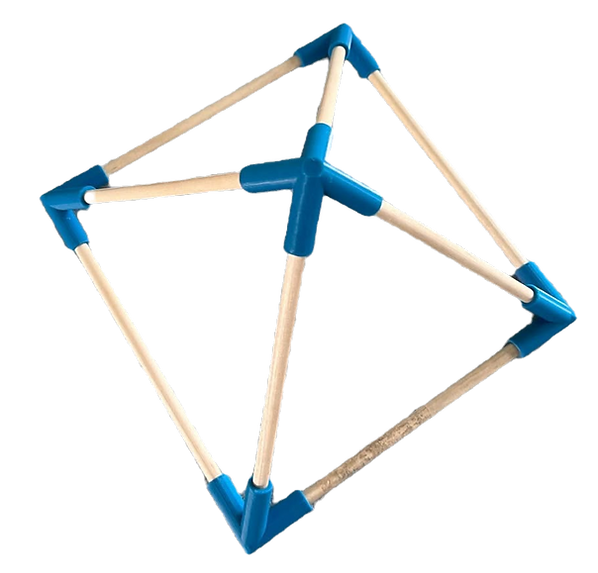
Storing seeds inside a pyramid for 1–5 days before sowing increases crop yield and reduces plant toxin content.
Russian research attributed to Alexander Golod's pyramid programme reports that pre-sowing seed exposure in large fiberglass pyramids (12m–44m) across 20+ crop varieties produced yield increases of 20–100% depending on species, improved drought resilience, and sharp reductions in measured toxin levels. No primary publications exist; evidence rests on internal reports summarised in secondary sources.
No peer-reviewed primary sources exist for these claims. They originate from Alexander Golod's internal research reports — not indexed in PubMed, Scopus, or Web of Science. The range of claimed effects (20–100% yield) spans an implausibly wide band with no species breakdown or statistical methodology described. Documented here because the research programme was large-scale and institutionally affiliated, but treat as unverified until primary publications are located.
Russian research conducted in Alexander Golod’s large fiberglass pyramids near Moscow (1990s–early 2000s), coordinated across multiple academic institutes, reportedly placed over 20 seed varieties inside pyramid structures for 1–5 days before normal field sowing. The reported results, summarised in DeSalvo (2003) based on Golod’s institute documents, include:
- Yield increase: 20–100% depending on seed species across 20+ varieties tested
- Drought resilience: treated crops maintained yield when untreated controls failed under drought conditions
- Toxin reduction: toxiferous compounds measured in treated plants were “sharply decreased” compared to controls
This is a qualitatively different protocol from placing seeds in a small model pyramid during germination (see Pyramid Enclosure Accelerates Seed Germination). The Golod protocol uses large hollow pyramids (no metal) as a pre-treatment chamber for dry seeds — the seeds are then removed and sown in ordinary conditions. The proposed mechanism is that the pyramid concentrates an unspecified energy field that primes seed metabolism before planting.
Why confidence is low: No primary publication — journal name, DOI, or protocol document — has been located for any of these studies in any indexed scientific database. The range of 20–100% yield increase across species is unusually broad and suggests either no consistent mechanism or an absence of rigorous controls. The drought resilience and toxin claims likewise lack measurement methodology. These results are preserved here as a research direction to watch if primary sources emerge.