
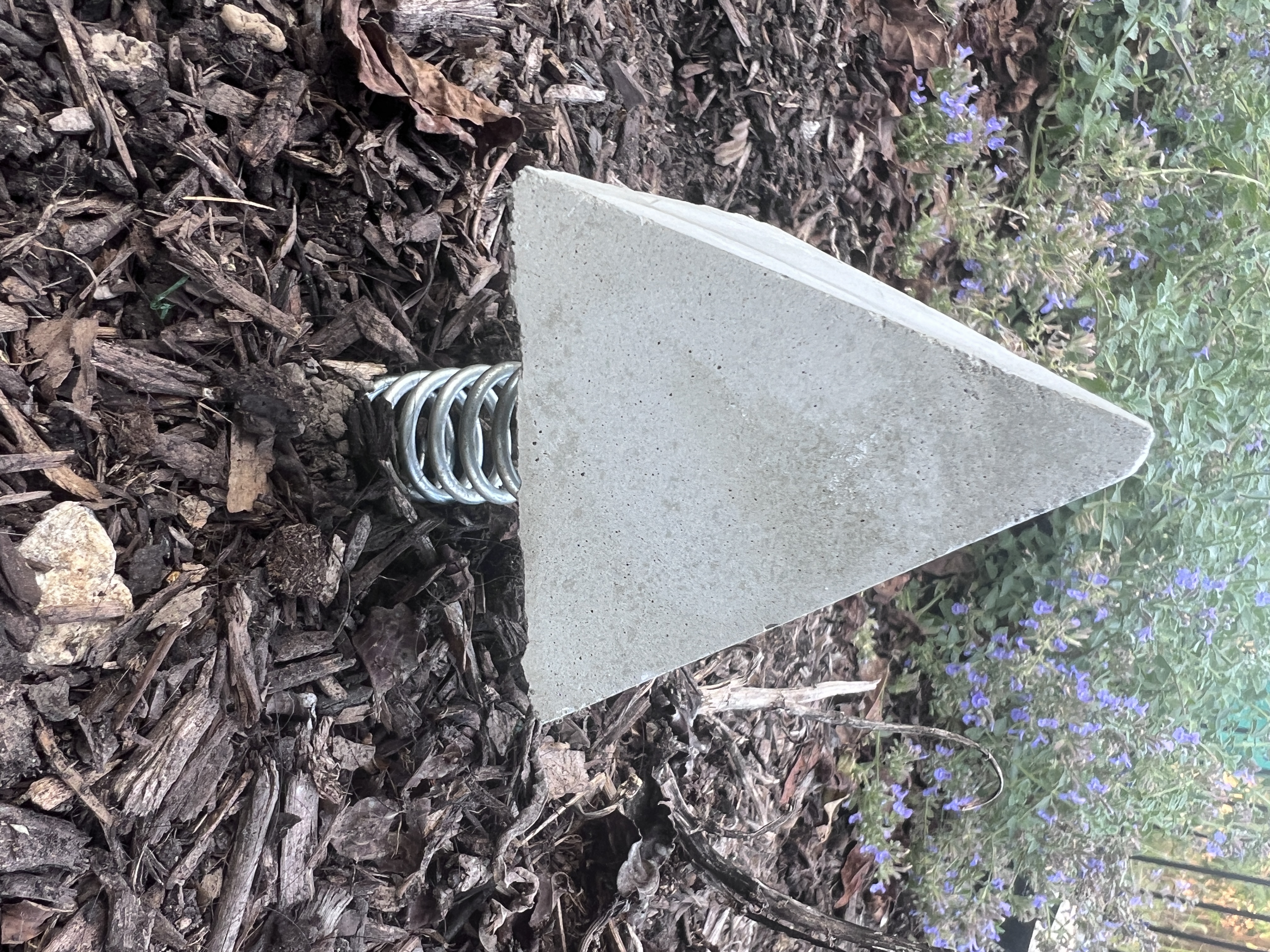
TerraNode Vector
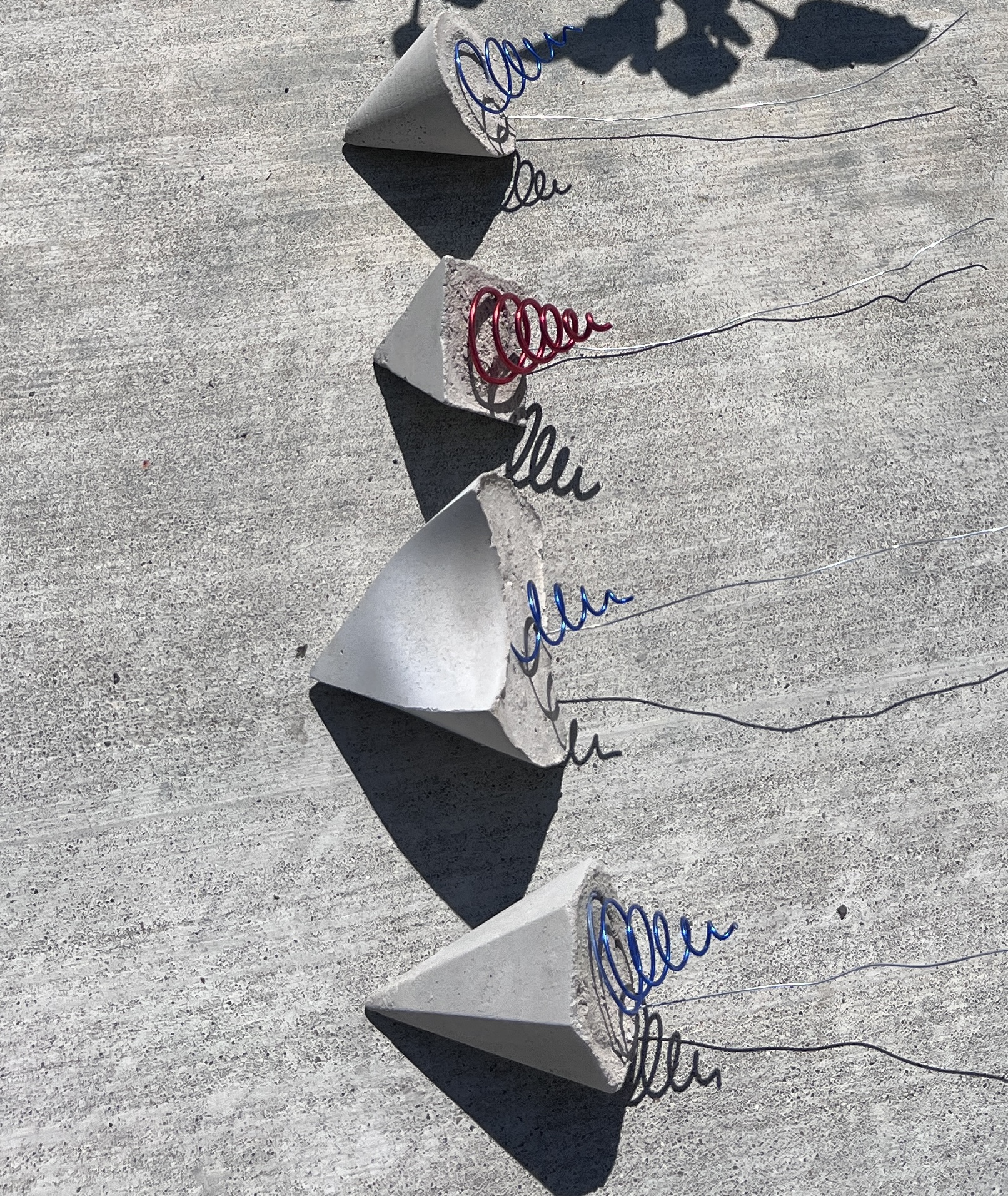
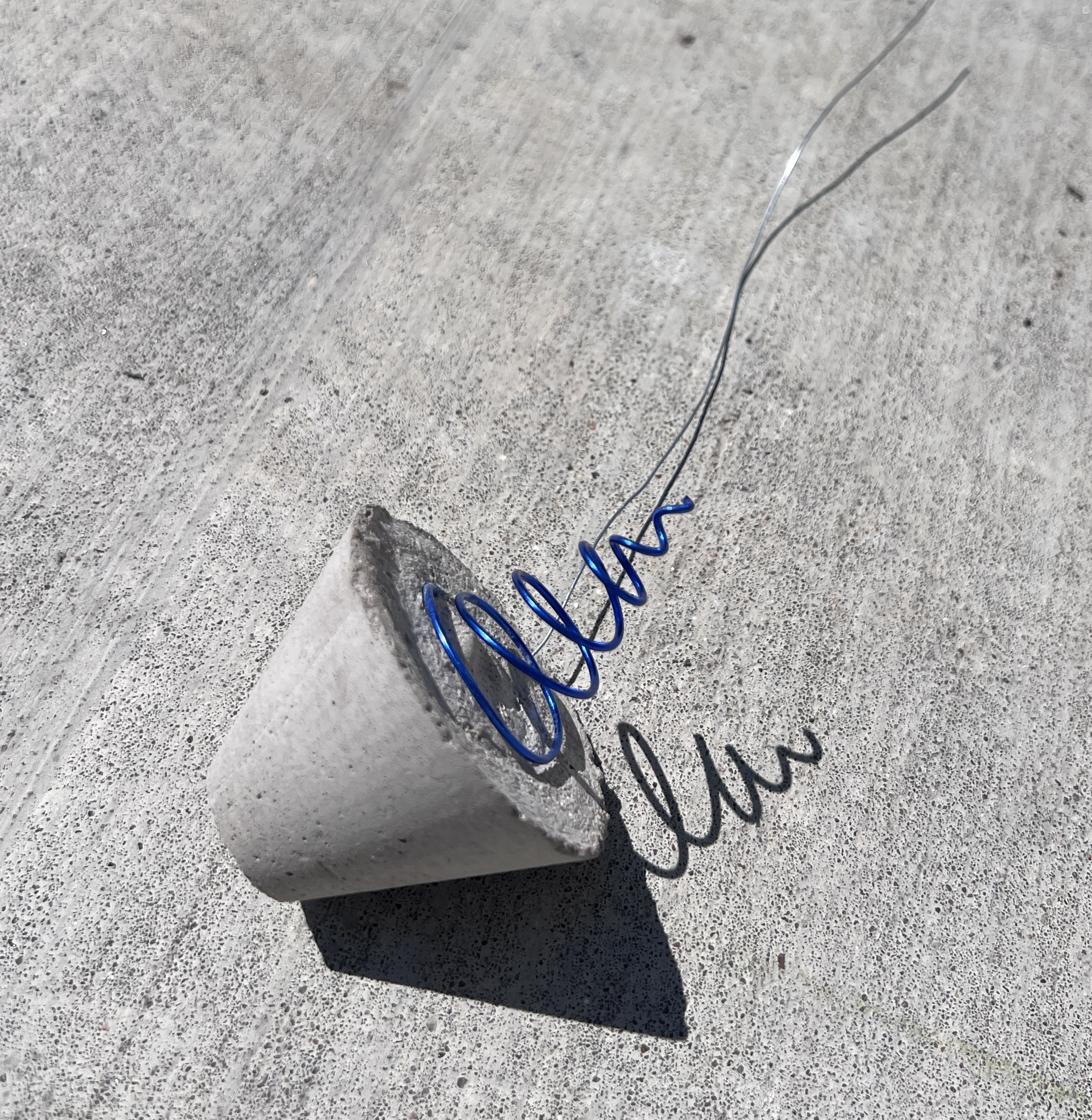
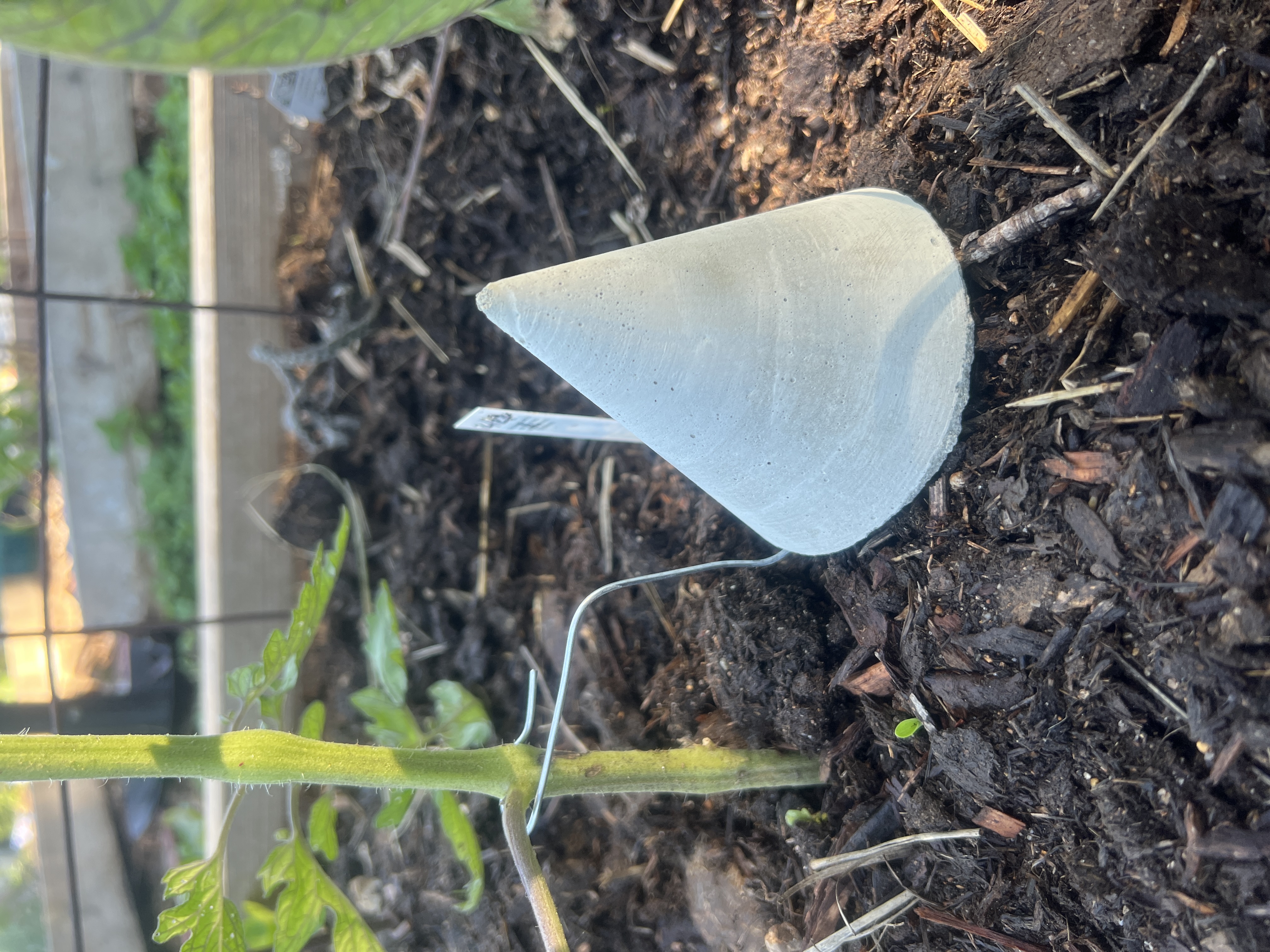
A directional magnetoculture device combining paramagnetic concrete, a magnet-on-wire core, and a conical copper spiral on the base face. Lays on its side and aims at the plant — striking to look at, and a genuine field-delivery device.
Key Features
- Paramagnetic concrete body — same material science as TerraNode Core
- Internal magnet on wire — adds a magnetic dipole to the field profile
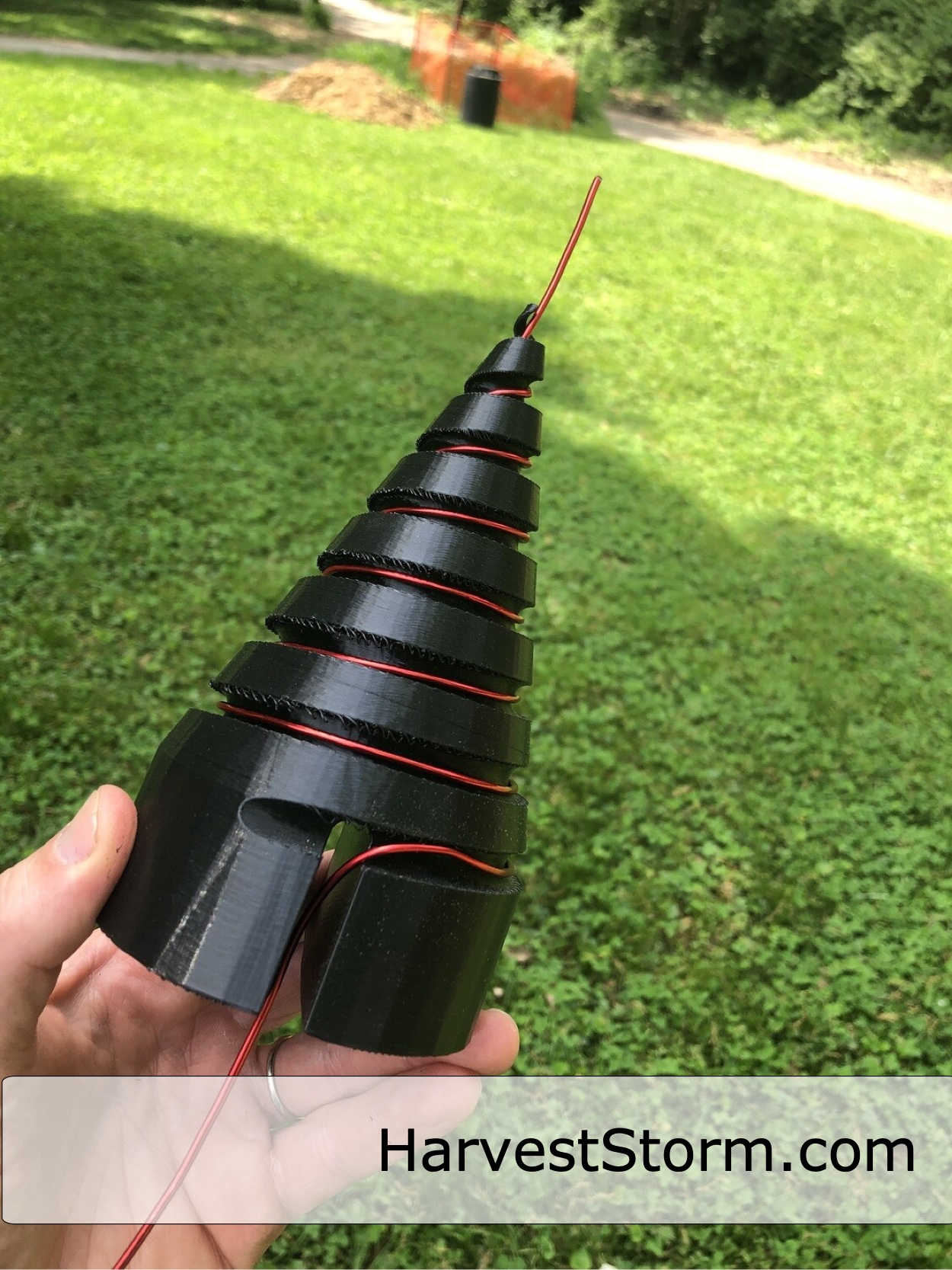
- Conical copper spiral on base face — passive spiral antenna integrated into the design
- Directional orientation — lays on its side and points at the plant
- Available in multiple forms: cut cone, pyramid, multi-facet
Specifications
- Body
- Paramagnetic concrete (basalt aggregate)
- Internal Element
- Permanent magnet on wire
- Base Element
- Conical copper spiral
- Orientation
- Side-lying / directional
- Available Styles
- Cut cone, pyramid, multi-facet
Secure checkout via Payhip
Product Details
TerraNode Vector
Three passive technologies in one compact device — aimed directly at what you’re growing.
The Design
The TerraNode Vector is a cone or pyramid-shaped body cast from paramagnetic concrete (the same high-susceptibility basalt aggregate as the TerraNode Core), with two additions:
- Magnet on wire inside — a small permanent magnet suspended on wire through the body creates a magnetic dipole field that extends beyond the concrete surface
- Conical copper spiral on the base face — the flat face of the cone or pyramid carries a wound copper spiral antenna that adds a passive atmospheric charge-collecting element to the magnetic field
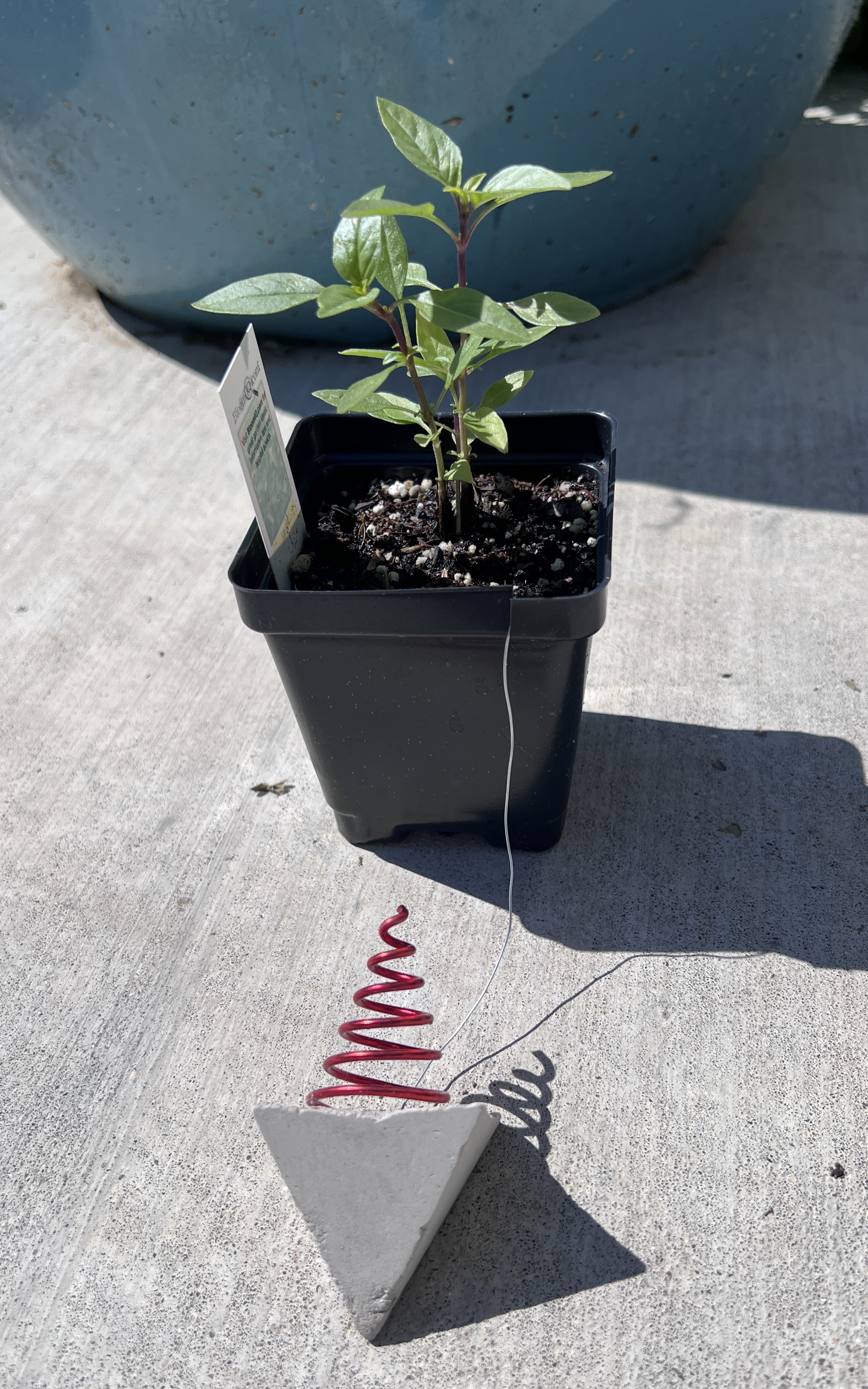
The device lays on its side so the base face — and the spiral — points directly at the plant stem or root zone.
Why Directional?
Most passive devices (stakes, cones, antennas) radiate fields in all directions. The Vector concentrates its field profile toward a specific target. For container plants, seedlings, or specimen plants you want to focus attention on, the directional orientation lets you aim the combined magnetic + electric passive field at the root zone from the side.
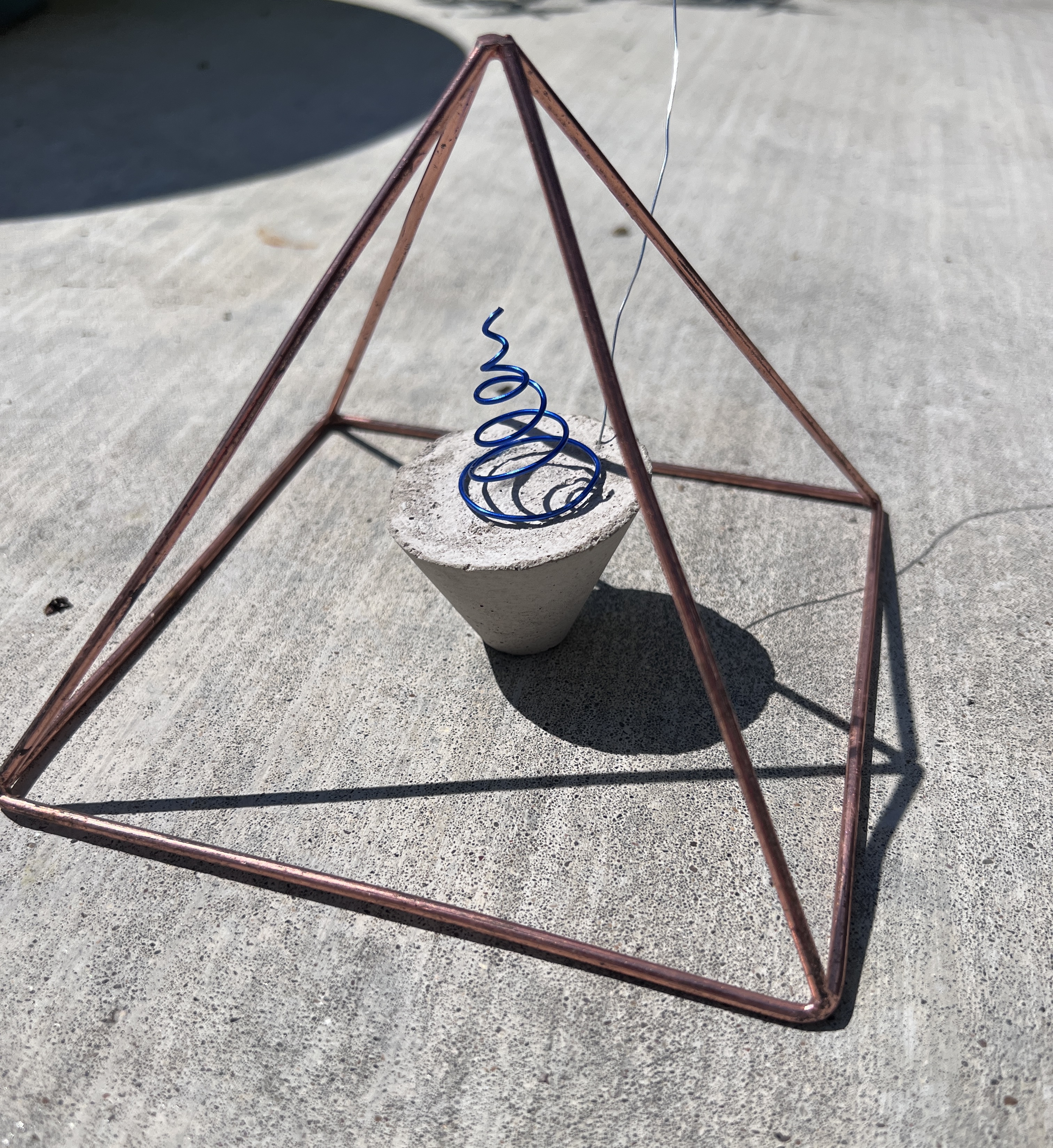
It also just looks excellent. The gallery shows the range of styles — cut cone, red pyramid, blue multi-facet — deployed in pots and raised beds.
Layered Field Effects
The Vector combines:
- Paramagnetism from the basalt body (geomagnetic field amplification)
- Permanent magnet dipole from the internal wire element
- Passive spiral antenna from the copper coil on the face
Each element contributes a different frequency and mode of field interaction. This is intentional — living systems respond to multiple stimuli simultaneously, and the Vector reflects that complexity.
Works Well With
Pair with the TerraNode Core stakes around the perimeter of a bed, and place the Vector aimed at the center from outside — Core handles the ambient field, Vector handles the targeted delivery.
Also effective inside a Giza Pyramid structure — the gallery shows this configuration with a blue Vector inside a copper pyramid frame.
Further Reading
For a deep dive into the science of paramagnetism, Phil Callahan’s soil research, and how paramagnetic devices interact with Earth’s magnetic field, see: Paramagnetic Root-Zone Enhancement: Working With Earth’s Magnetic Environment
What the Research Says
Scientific claims relevant to this product, drawn from our research library.
Electric field stimulation enhances plant resistance to viral and fungal pathogens.
Electromagnetic biostimulation reduces infection rates in treated crops by upregulating antioxidant enzyme activity (SOD, CAT) and improving cellular membrane integrity. Treated plants exhibit a measurably lower incidence of viral infection compared to untreated controls.
Electric field modulation triggers the upregulation of key antioxidant defense enzymes.
Electrical stimulation functions as a form of controlled stress (eustress) that increases the activity of enzymes like superoxide dismutase (SOD) and catalase (CAT). This metabolic shift enhances the plant's nutritional quality and its tolerance to environmental stressors.
- Peer-Reviewed Systematic Review of Static Electric Field Effects on Invertebrates and Plants (Schmiedchen et al. 2018) ↗
- Peer-Reviewed Electric and Magnetic Field Technologies in Agriculture: Plant Responses, Experimental Limitations, and Future Directions (Zhang et al. 2025) ↗
- Peer-Reviewed Impact of direct-electric-current on growth and bioactive compounds of African nightshade (Solanum scabrum Mill.) plants ↗
Electroculture Increases Plant Growth
Application of low-level electrical fields may accelerate plant development and biomass accumulation.
Research cards link to our science library, which rates evidence quality and tracks limitations. We present this data to help you make informed decisions — not as medical or agronomic advice.
You May Also Like
New to Electroculture?
Learn how this technology works and how to use it effectively inside Energetic Growers Academy.
Learn More