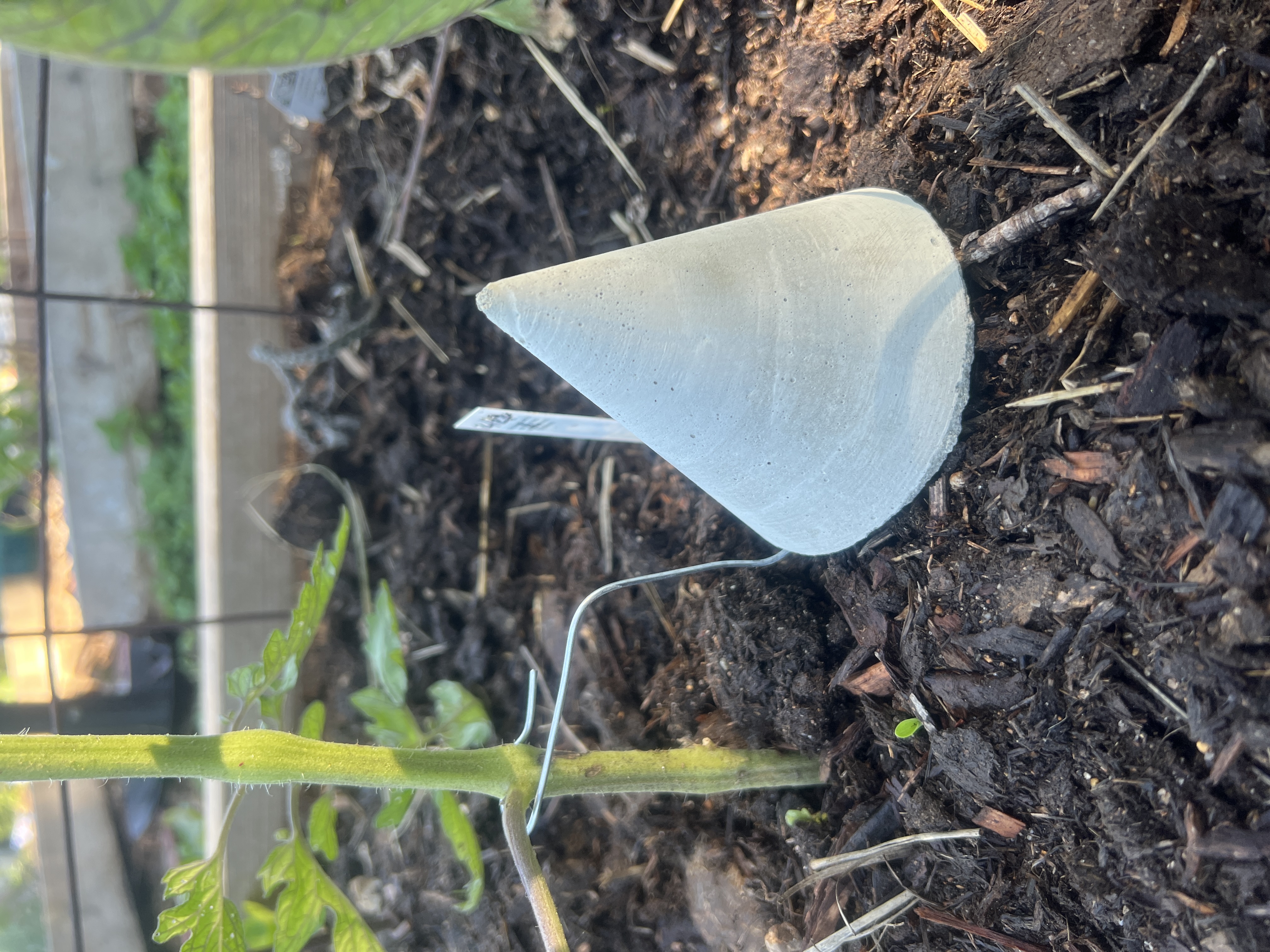
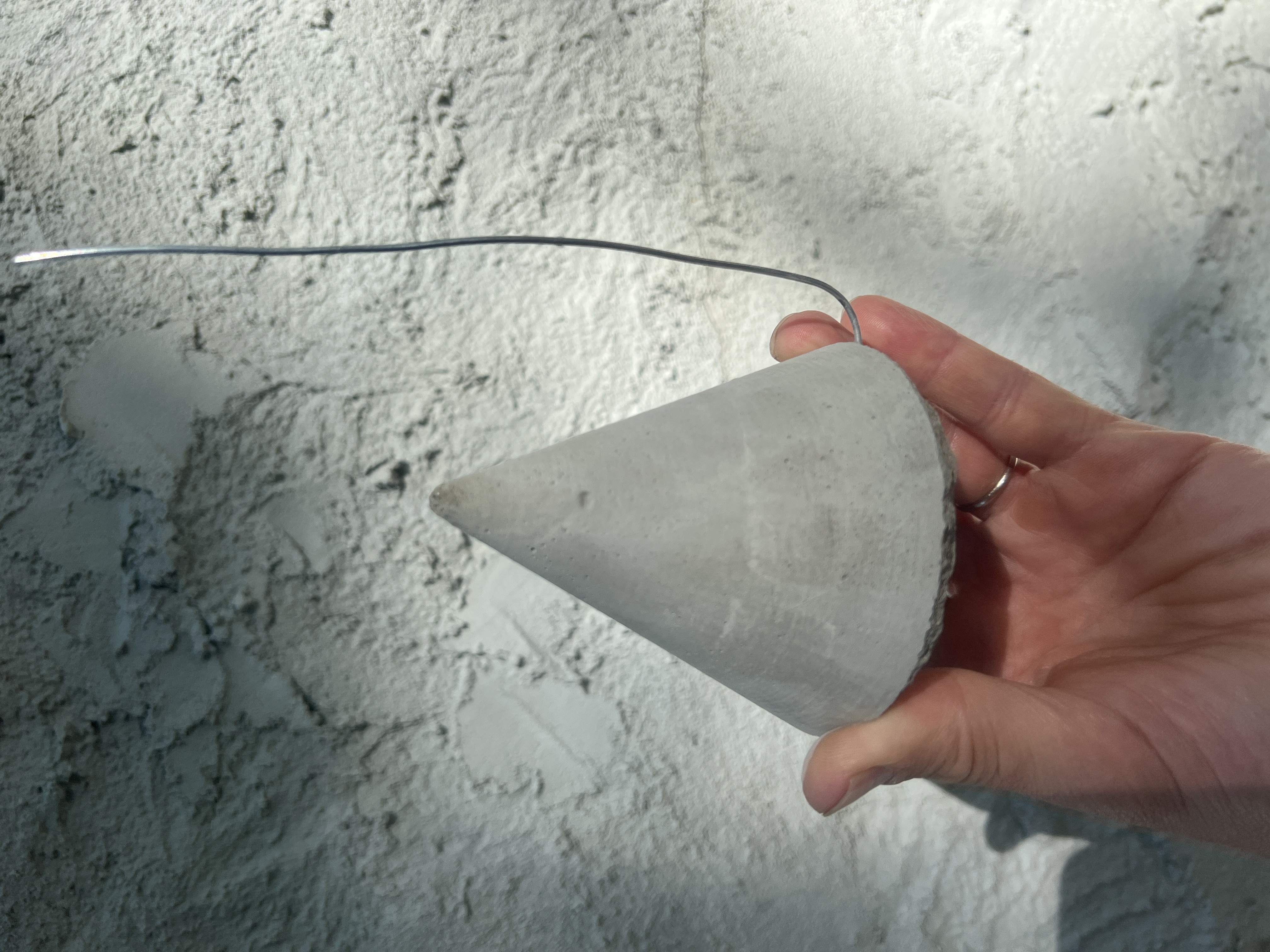
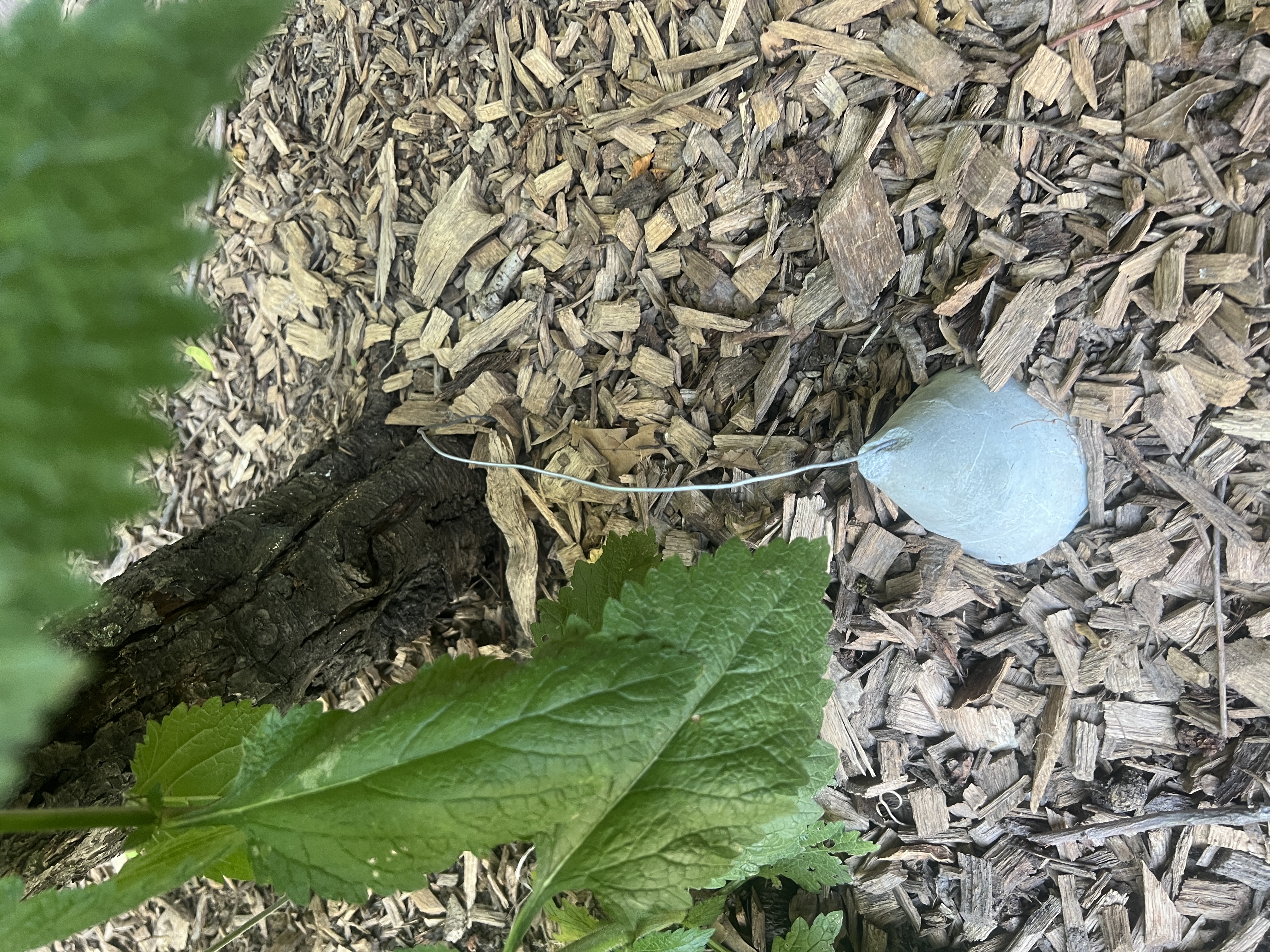
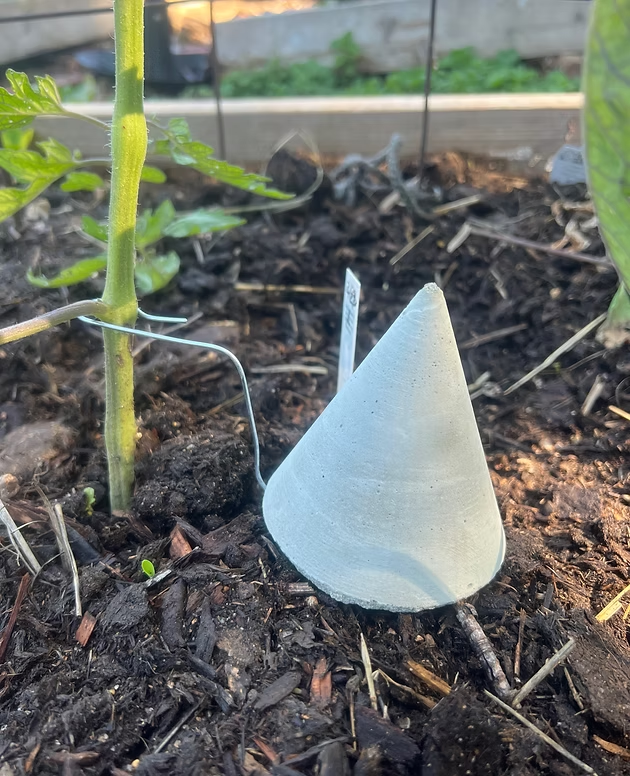
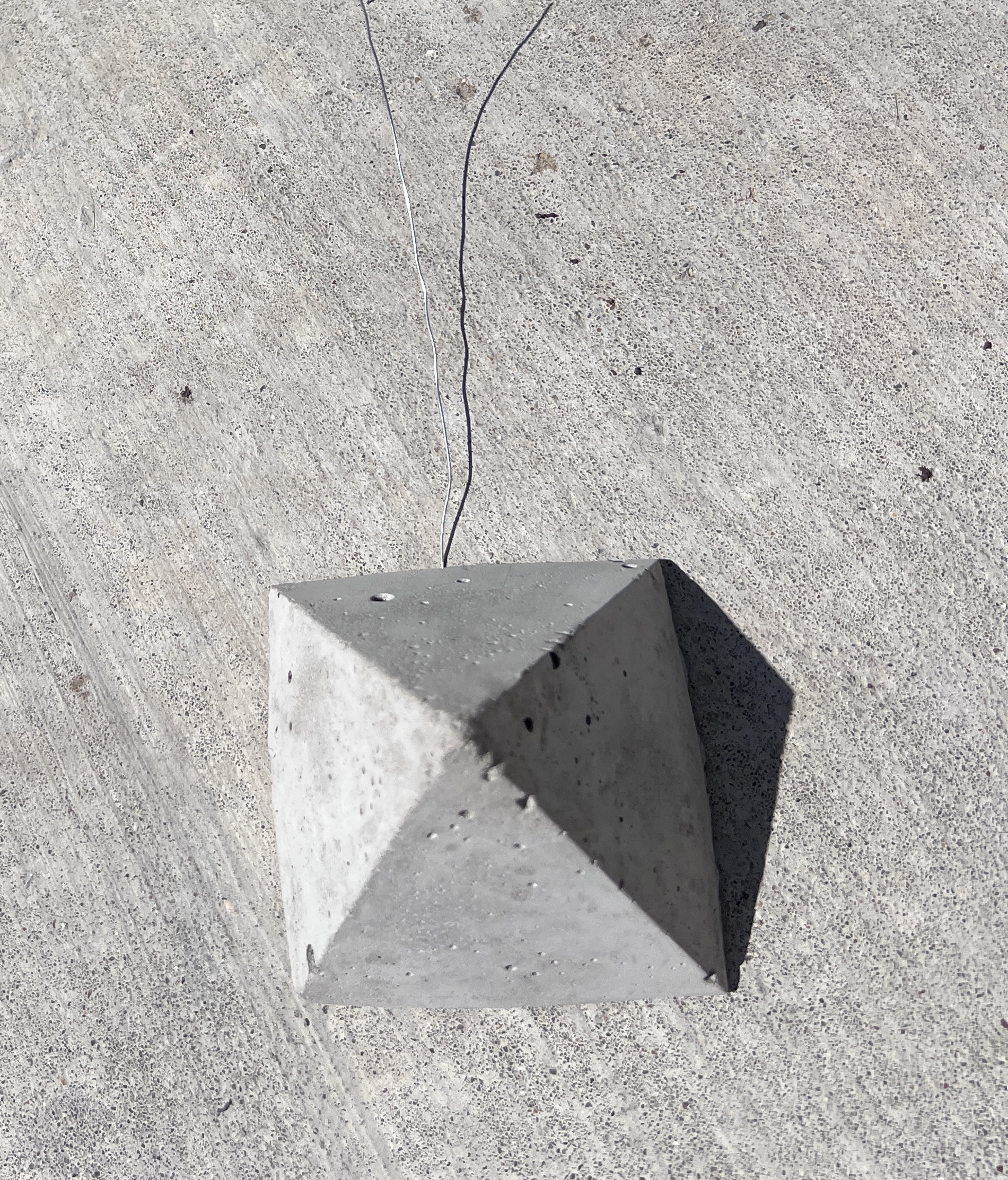
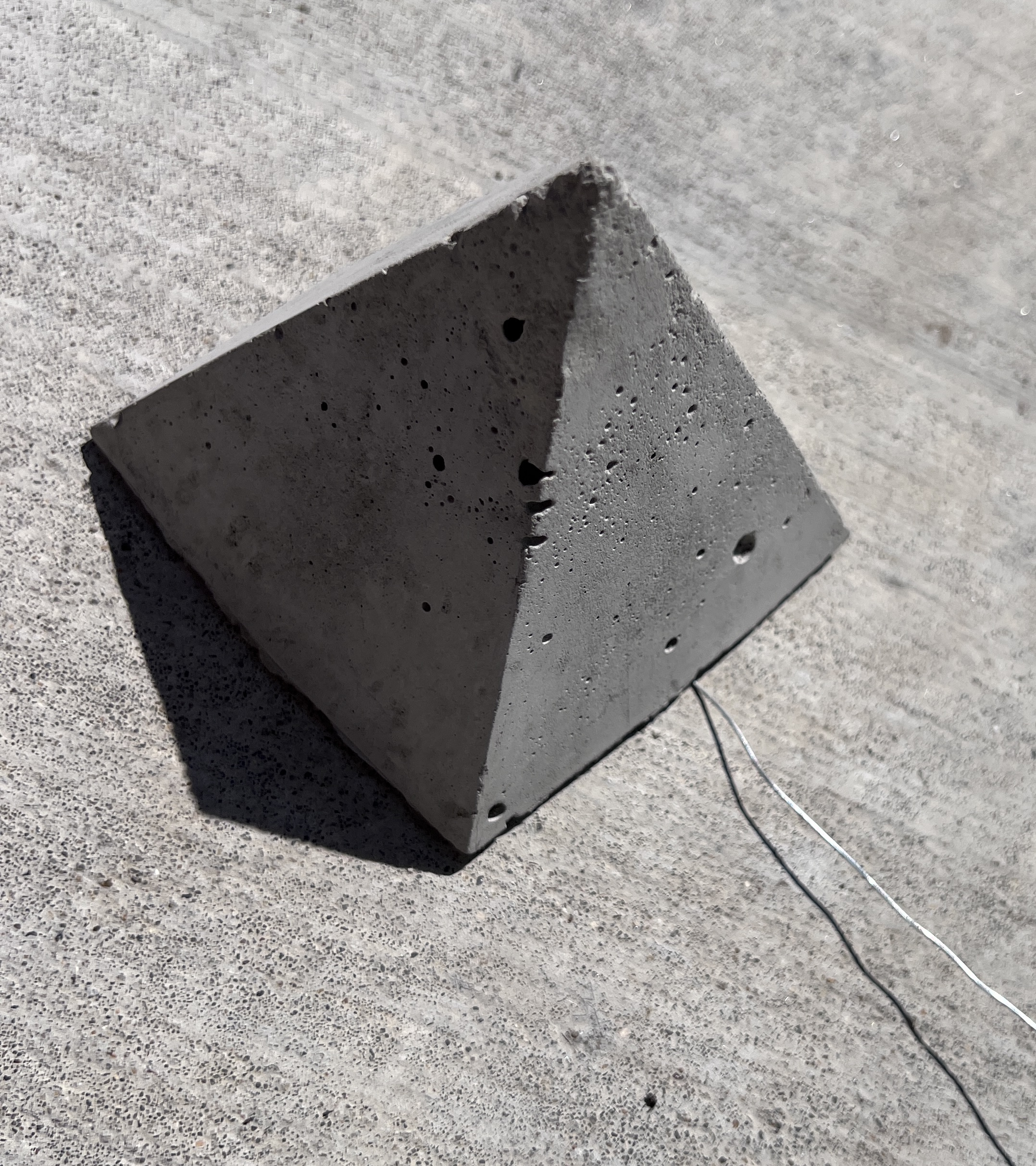
TerraNode Core — Paramagnetic Cones for Magnetoculture
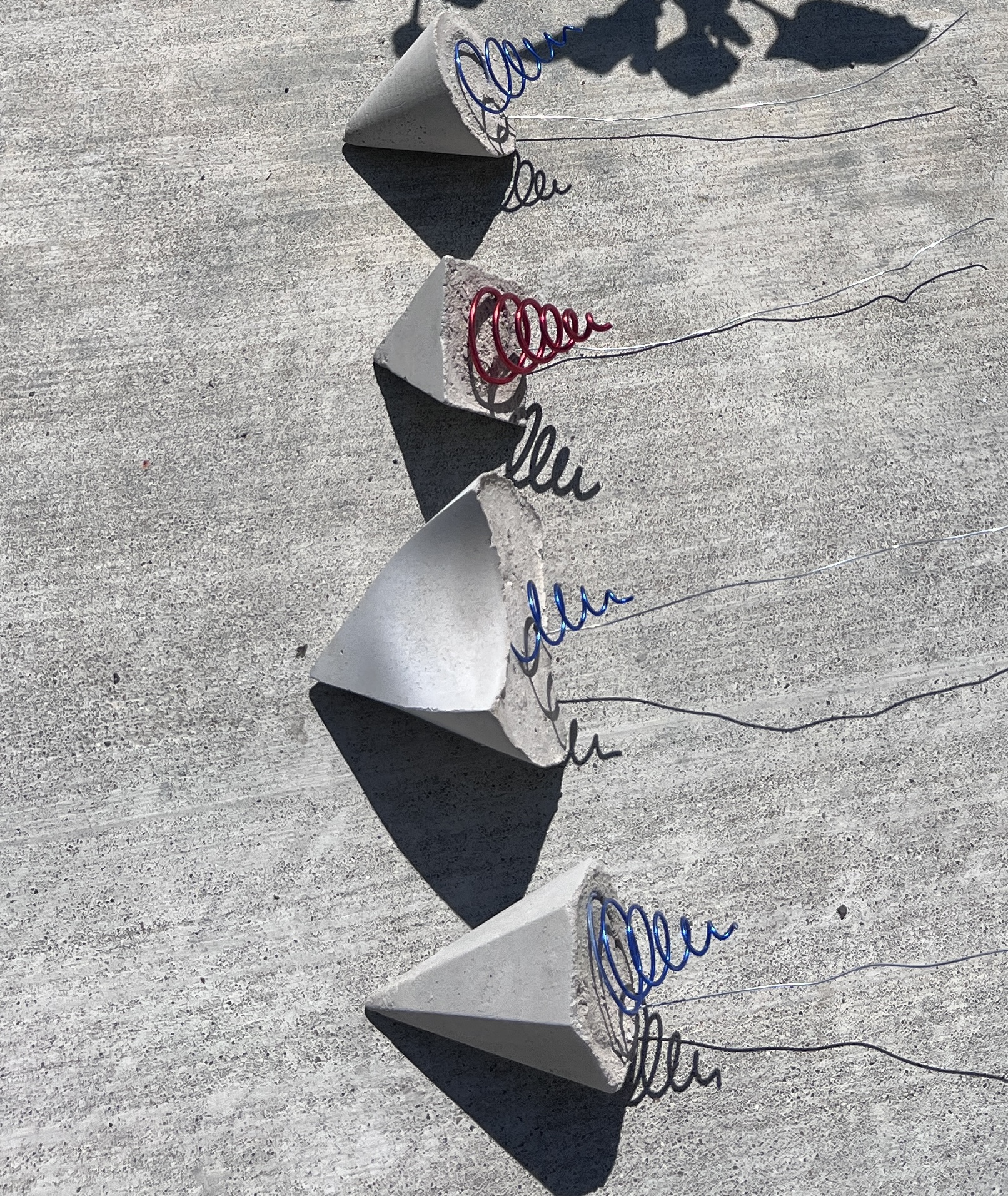
Hand-crafted paramagnetic basalt cones engineered to the same 51° angle as Irish round towers — emit a passive magnetic field tuned to Earth's Schumann resonance to enhance crop vitality, frost tolerance, and budding.
Key Features
- Cast paramagnetic basalt — high magnetic susceptibility
- 51° angle — matched to Phil Callahan's round tower research
- Passive operation — no power supply needed
- Optional expansion wire for row crop use
- Outdoor-rated — weatherproof natural material
Specifications
- Material
- Paramagnetic basalt & concrete
- Diameter
- ~3.5 inches (9 cm)
- Height
- ~4 inches (10 cm)
- Slope Angle
- 51 degrees
- Magnetic Type
- Paramagnetic (passive)
- Expansion Wire
- Optional add-on
Secure checkout via Payhip
Product Details
ParaCone — Paramagnetic Cones for Magnetoculture
Harness the Earth’s own magnetic field to improve crop vitality — no electricity, no moving parts.
What Is Magnetoculture?
Magnetoculture is the use of magnetic fields — rather than electric ones — to influence plant physiology. Researcher Phil Callahan discovered that ancient Irish round towers, built at specific heights and angles, acted as natural paramagnetic resonators that concentrated the Earth’s geomagnetic field. Farms surrounding these towers historically showed unusual soil fertility.
The ParaCone replicates this principle at garden scale.
How It Works
Paramagnetic basalt is one of the most magnetically susceptible natural materials on Earth. When shaped to the correct cone angle and placed in soil, it acts as a passive amplifier for ambient geomagnetic flux — including the Schumann resonance frequencies that plant biology evolved to respond to.
The result is enhanced root-zone magnetic biostimulation that research links to improved pathogen resistance, antioxidant enzyme upregulation, and accelerated plant development.
Placement Guide
- Push cone into soil to half depth, apex up, near plant stem
- For row crops: connect optional expansion wire along the row
- Space one cone per 2–3 feet of row for continuous coverage
- Works in pots, raised beds, and in-ground gardens
Further Reading
Learn more about the science behind paramagnetic devices and Phil Callahan’s soil research in our in-depth article: Paramagnetic Root-Zone Enhancement: Working With Earth’s Magnetic Environment
You May Also Like
New to Electroculture?
Learn how this technology works and how to use it effectively inside Energetic Growers Academy.
Learn More